
“Be More Human” — The Human Operating System for the Robotic Era
Robots aren’t the problem.
The problem is when leaders start acting like robots — rigid, reactive, emotionally absent — just as automation accelerates.
“Be More Human” is not a slogan. It is a methodology. It’s the leadership operating system that determines whether robot fleets succeed or fail inside real organizations.
Why Robot Integration Lab Built a Leadership Philosophy Around Humanity
The biggest myth of the robotic era is that technology drives transformation. It doesn’t. People do.
Every failed robot deployment we’ve studied shares the same root cause: the humans weren’t ready. Not psychologically. Not culturally. Not operationally. Not emotionally.
Robot Integration Lab built “Be More Human” as a counterbalance to the cold efficiency model of automation. Because robots don’t create fear — human silence does. Robots don’t break culture — leaders do when they forget how people work.
This is why we teach this principle in every workshop, every corporate training, and every strategy briefing. And yes — we printed it on shirts, hoodies, hats, and gear, because culture spreads through repetition and visibility.
Shop Here — Be More Human Gear
The Data: Humanity Is the Variable That Determines Adoption
We work inside factories, hospitals, distribution centers, hospitality chains, and enterprise operations preparing for humanoid fleets. Across all industries, we see the same pattern:
- Robots are ready before the humans are.
- Leadership miscalculates human fear.
- Teams panic when information is missing.
- Productivity dips during early deployment.
- The cultural conversation is ignored until there’s a crisis.
Our research shows:
- 68% of resistance to robots has nothing to do with robots but with unclear leadership.
- 45% of teams lose trust during automation rollout when communication drops.
- Over 50% of burnout spikes come from psychological uncertainty, not workload.
This is why the robotic era requires more humanity, not less.
The Methodology: How “Be More Human” Works in Robot Fleet Deployment
Humanity is not a feeling. It’s a skill set. At Robot Integration Lab, we teach executives and frontline leaders a structured, evidence-backed model to prepare humans before robots arrive.
1. Prepare the Human Nervous System
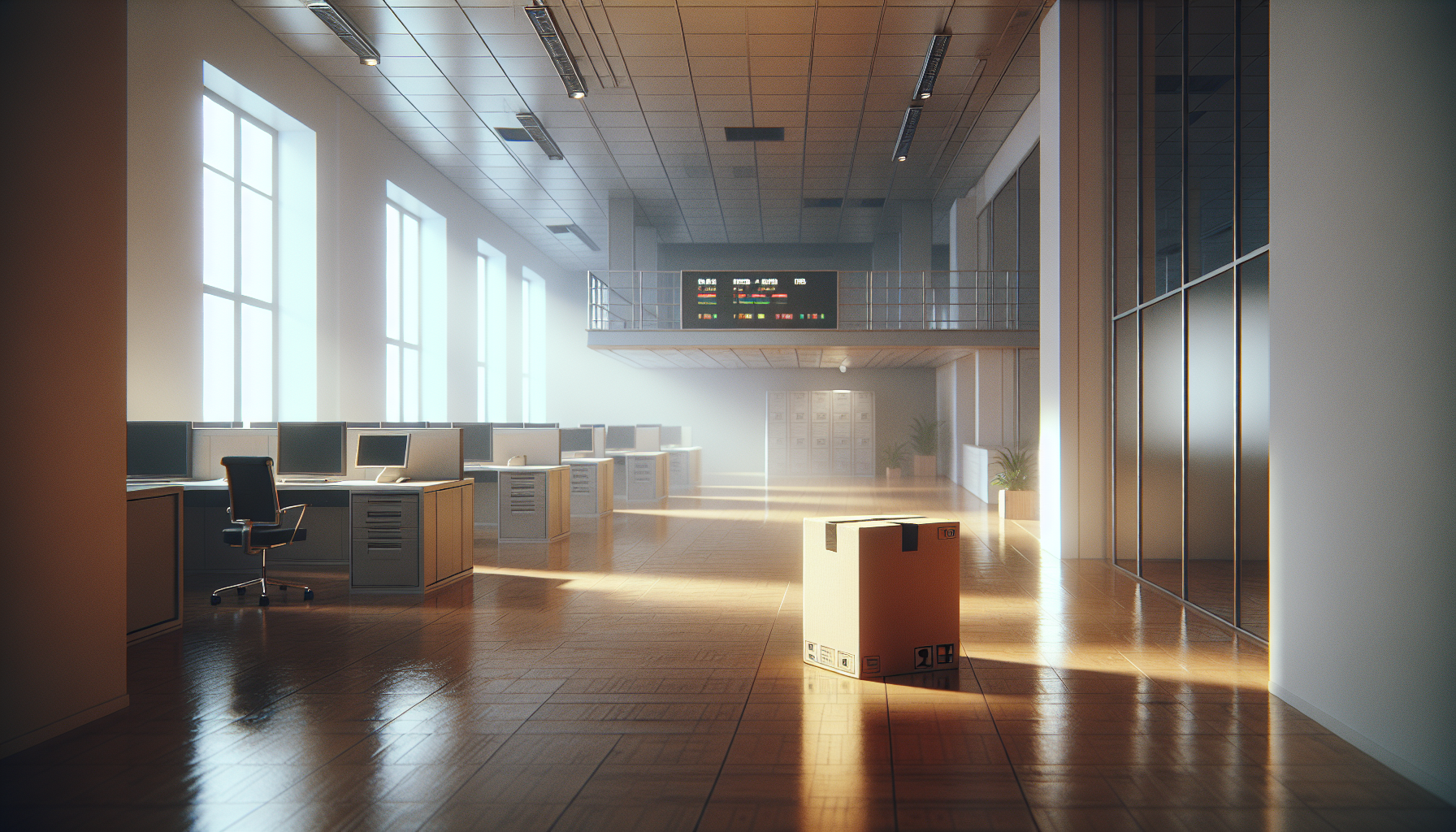
Before a robot is unboxed, teams need clarity, context, and psychological safety. Humans fear ambiguity more than automation.
2. Communicate the Why, Not Just the Timeline
Deployment schedules don’t reduce fear — purpose does. We train leaders to tell the truth early and often.
3. Train Humans First, Robots Second
This is the opposite of what most companies do. Most train robots and hope the humans adapt. We train humans, then deploy robots into confidence, not chaos.
4. Build Cultural Stability During Automation
Robot fleets disrupt identity, routines, and role clarity. Leaders must anchor culture through trust, transparency, and human presence.
5. Introduce Robots as Teammates, Not Threats
Words matter. “Replacement” triggers fear. “Extension of your capability” builds empowerment.
Why Visual Culture Matters (Yes — This Includes Shirts & Hoodies)
Culture spreads through repetition. Humans remember what they see. This is why companies use slogans, values cards, posters, and branded rituals.
Robot Integration Lab extends this with wearable culture.
- Shirts spark hallway conversations.
- Hoodies soften tense automation briefings.
- Hats at plant floors show leadership solidarity.
- Teams wearing the phrase send a message: “We still lead with humanity.”
It’s not fashion — it’s reinforcement.
Where This Philosophy Shows Up Inside Organizations
Robot Integration Lab embeds “Be More Human” in:
- Humanoid integration workshops
- Leadership transformation programs
- Organizational psychology sessions
- Automation communication frameworks
- Change readiness assessments
- Team-based robot adoption playbooks
We teach leaders to communicate like humans, not systems. Because systems don’t build trust — people do.
The Real Reason the Robotic Era Needs More Humanity
Because robots will only ever do what they’re programmed to do. Humans, on the other hand, adapt, interpret, support, create, mentor, choose, learn, influence, and lead.
Robots don’t panic — humans do. Robots don’t build culture — humans do. Robots don’t inspire — humans do.
Without humanity, robot fleets collapse into conflict, confusion, and disengagement. With humanity, they become accelerators of capability.
The future isn’t human or robot — it’s human with robots.
But only if leaders remember the simplest, hardest truth of the robotic era:
Be more human. Because the future depends on it.
Want your team trained in human-first robot integration?
Explore the gear that reinforces your culture: Shop Here
Sources
- Robot Integration Lab: Organizational Robotics Behavior Study (2024–2025)
- Human–Robot Interaction Psychology Review, 2025
- Automation Leadership Impact Report, 2024
“Be More Human” — O Sistema Operacional Humano da Era Robótica
Robôs não são o problema. O problema é quando líderes começam a agir como robôs — rígidos, reativos, distantes justamente quando o mundo precisa do oposto.
Por Que a Robot Integration Lab Construiu Essa Filosofia
Tecnologia não transforma empresas. Pessoas transformam.
“Be More Human” existe porque a maioria dos fracassos em automação tem uma causa simples: falta de preparação humana.
A Metodologia
- Preparar o estado emocional da equipe
- Comunicar o porquê, não só o cronograma
- Treinar humanos antes dos robôs
- Construir estabilidade cultural
- Integrar robôs como extensões, não ameaças
O futuro não é humano versus robô. É humano com robô — mas apenas se continuarmos agindo como humanos.
Compre aqui: Shop Here
Fontes
- Robot Integration Lab 2024–2025
- Estudos de Psicologia da Automação
- HRI Global Research 2025




Leave a Reply